Dog Grooming in Tampa
Services
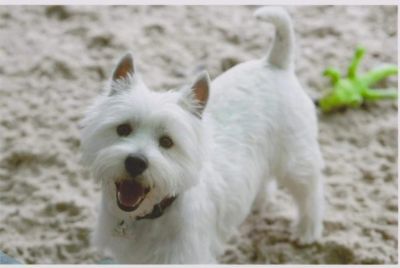
Small Terrier Full Service Package
Full service package for dogs up to 20 lbs. includes tooth brushing, washed 2x with a salon bath with premium shampoo and conditioner, we provide an ear wash for healthy ears, blow dry, pedicure with nails trimmed and filed, 15 minutes of de shedding and brushing, adorable handmade finishing touches and cologne are available on request. Plus the haircut that best suits your dog's needs and your specifications.
Average fee $85.-$95. Average time in the salon 1.5-2 hours, however this can fluctuate more or less, depending on the condition and behavior of the dogs ahead of yours, as well as the condition and behavior of your own dogs.
Bath Only Package
Bath service package for dogs up to 20 lbs. includes tooth brushing, washed 2x with premium shampoo and conditioner, we provide an ear wash for healthy ears, blow dry, pedicure with nails trimmed and filed, plus 15 minutes of de shedding and brushing. No trimming is included. Adorable finishing touches and cologne are available on request.
Average fee $55.-$65. Average time in the salon 1- 1.5hours, however this can fluctuate more or less, depending on the condition and behavior of the dogs ahead of yours, as well as the condition and behavior of your own dogs.
More information
To avoid disappointment, please have your pet brushed and combed before the appointment. We do not accept dogs with badly matted hair, broken skin, eye ulcers, severe ear infections, heart conditions, and dogs over 16 years old.
Certified Terrier Grooming
Short Legged Terriers
Long Legged Wire Coats
Long Legged Wire Coats

West Highland White Terriers (Westies), Scottish Terriers (Scotties), and Cairn Terriers are examples of the short legged terriers.
Our salon offers styling services using clippers, scissors, and thinning shears to achieve a nice breed profile trim.
Long Legged Wire Coats
Long Legged Wire Coats
Long Legged Wire Coats
The Wire Fox Terriers, Welsh Terriers, and Lakeland Terriers are examples of Long Legged Wire Coated Terriers.
Our salon offers styling services using clippers, scissors, and thinning shears to achieve a nice breed profile trim.
Schnauzers

We offer Schnauzer stying in both classic and non traditional styles. See our dedicated Schnauzer page for examples of the styles that we offer.
Our salon offers styling services using clippers, scissors, and thinning shears to achieve a nice breed profile trim.
We are not accepting any new dogs over 25 bs at this time, but we will keep new clients on a wait list.
Bedlington Terriers

Suzanne Grande NCMG has groomed many Bedlington Terriers including Champion Victorias Thyme (pictured) whose breeder stated that we offer the best Bedlington styling in Florida.
The best tools to maintain your Terriers coat
Flexible slicker brush

I use the Paw Brothers Flexible Slicker, this brush helps to prevent tangles in the coat.
Maintaining the coat is the pet owner's responsibility. It’s important to keep the coat brushed and combed once a week.
In maintaining the wire coated dog, the dog should be double brushed, and combed weekly or anytime the dog gets wet.. Brush the dogs completely removing any loose hair, comb, then brush again.
Pro Tip: Use this brush to remove those pesky hitch hikers from your dogs coat.
Extra Firm Pin Slicker

This brush is my favorite dematting brush. It quickly removes tangles from your dogs' coat.
Pro Tip: Only use this brush to remove the mats, this is not a maintenance brush, except for the Scottish Terrier.
Deman Comb
This comb works well on the beard, as well as for brushing out the legs on dogs who are very sensitive to the slicker brushes.
Pro Tip: Only use this on hair that is not tangled.
Fine/Medium 7.5 " comb

The Fine/Medium comb is an essential piece of equipment to have in your coat care toolkit.
Pro Tip: Use this comb after the brush out to check for tangles and prevent mats.
Carding Knife

The carding knife can be used to remove undercoat on the back, neck, hips, and shoulders of your terriers like the Scottish Terrier and the West Highland White Terrier.
Keeping the undercoat removed helps the coat to keep nice texturee and reduce shedding.
Pro Tip: Hold the tool at a 45 degree angle while combing through the coat while kepeing the skin held taut.
Pumice Stone

The course stone when dragged over the hard coat removes the course, loose guard hairs. When used on areas where there is short soft downy undercoat growing back in, it removes this wooley fur. It’s important to remove this fur about 2 weeks after stripping by defuzzing the dog. Because this soft undercoat will fill in before the new guard hair pushes through. If there is too much undercoat present, it will inhibit the good, rich colored coat from breaking through properly.
Pro Tip: Lightly glide this stone over the coat with a little pressure while holding the skin taut.
Andis Deshedding Tool

This tool is helpful for removing shedding coat on clipped dogs with at least 1/2 inch of coat.
Pro Tip: Only use this tool with the lay of the coat ( in the direction that the coat naturally grows).
Anti Static Spray
A good quality anti static spray helps to reduce static in the coat making brush out sessions a breeze.
Pro Tip: Mist the legs with Magic Mist before brushing to reduce static.
Tooth paste
Bamboo Toothbrushes

Brushing your pets teeth daily helps to prevent expensive dental bills and keeps your pets breath fresh and clean.
Pro Tip: Putting your pet on a non slip surface helps them to feel safe. Be careful not to hold to dog covering the soft area just behind the nostrils, as this blocks their airway.
Bamboo Toothbrushes
Bamboo Toothbrushes
Use these eco friendly tooth brushes to keep your pets breath fresh.
Ear wash
Ear cleansing is esesntial every time that the dog gets wet. This helps to prevent ear infections by drying moisture, as well as removing wax and debris.
Pro Tip: Fill each ear canal with the solution after the rinse, but before the towel dry. Rub the base of the ear, and allow the dog to shake it out. Then lightly blot the ear dry.
Caution: Do not use in abnormal looking ears, if the ears have a dark brown discharge, redness, swelling, or other discharge, seek veterinary help.
Invisible Hold
This product helps to keep those stray hairs in the beard and eyebrows in place for that picture perfect look.
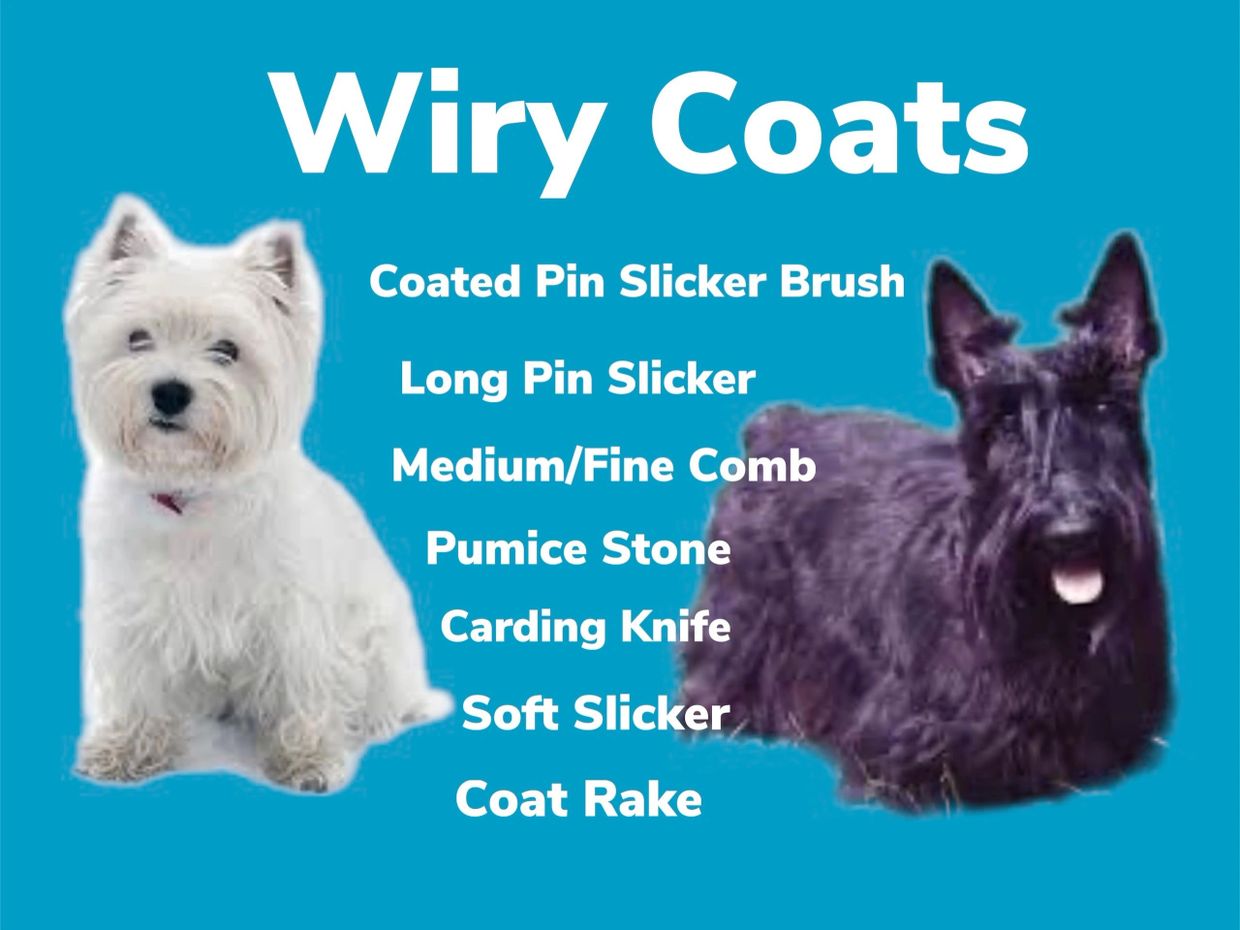
Caring for your Terriers coat
How to prevent matted hair.
That natural, scruffy, shaggy, puppy look is adorable. You try to keep the hair brushed, you really honestly do.
But your dog is young. She needs to learn. She doesn’t like it, That’s okay, that’s what a professional is for, right? Wrong! Pet groomers are actually pet stylists. The one responsible for caring for the condition of the dog is the owners of the dog. The reason for this is that the maintenance of the coat is a constant routine. The level of difficulty depends upon the length of the coat, and other factors such as:
1. Do you wash the dog?
2. Does the dog swim or go into a wading pool?
3. Do you leave a harness on the dog?
4. Does the dog wear clothing?
5. If the dog is in full coat, or has a lot of hair around the neck, does she wear a collar?
6. If you wash your dog, do you that very same day, thoroughly brush and comb that dog over every inch of it’s body?
All of these factors determine the amount of work necessary to maintain the coat. I specialize in maintaining a full coat. My own dogs, and many of my clients dogs have had coats in amazing condition.
It is a labor of love. The secret is dedication. It is not a chore, it’s actually a bonding time for you and your pets IF and only IF both of you enjoy it.
Sometimes it can become frustrating, the dog fights the brush, or you give the dog a quick bath with no brushing only to later realize that was a disastrous decision. Or you leave the cute Christmas sweater on for 3 days while we have freezing temperatures, only to end up with a completely shaved down dog.
Sometimes, clients think, no worries, the groomer has special techniques, special tools, and wonderful conditioning treatments that they are trained to use in the event that your dog gets a few little mats. And to an extent, this is true.
The problem is, when we brush out matted hair, it hurts. And when the dog already hates the brush, it can be traumatizing. Sometimes I can do it once, to save the dogs coat, but the next time, the dog says NO. I often have clients prefer for me to save the coat, to please keep the hair that I trimmed short underneath the last time, and to let the coat grow. But if the coat is matting at this shorter length, why should we grow it longer?
The dogs owner must listen to the pet. If the pet cannot tolerate the brush, then keep the hair shorter until the training and routine are established.
The routine and tools depend on the desired length of coat and the type of coat that the dog has. Softer coats benefit from the use of a Pin Brush, and a Comb, a Chris Christensen Buttercomb, and a Face Comb.
Cottony bushy coats benefit from the use of the flexible slicker brushes, a Long Pin Slicker, and the Chris Christensen Poodle Combs.
The type of pins on the slicker depend on the depth of coat and the area you are brushing. I use both and go back and forth using both brushes on each dog, using the stiffer shorter pins on mats, the legs, and sometimes under the arms, and the longer pins in the areas where the hair is longer and thicker.
Most slicker brushes either have short pins or angled pins. The short pins are useless for penetrating a coat that is more that a half inch long. I do not recommend any brushes with plastic coated tips.
Brushes with sharply angled pins have a lot of drag and pull in a thick coat. This can make brushing very uncomfortable for the dog. Therefore, the brushes that you choose need longer pins that are not too sharply angled.
People often ask, “Should I brush every day ?” Or “How often should I brush?”. The answer is different in each situation.
The length of the coat determines the frequency of the bath days, ideally every 7-21 days. This system works only if you are very diligent to completely brush and comb the dog from one end of its body to the other on the same day as the bath is done.
Here are a few key things to know about the Terrier coat:
- Wire coats need a stiffer brush to remove loose coat like "Number One All Systems Slicker Brush".
- Softer coats like the Kerry Blue and Wheaten need a long pin slicker and a wide too comb.
- Scotties need an extra firm pin slicker and a wide tooth comb like a Chris Christensen Buttercomb #004.
- Westies need a flexible slicker and a fine/medium comb.
- Bedlington Terriers need a fine tooth comb and a firm shorter angled pin slicker brush like "Number One All Systems Slicker Brush" a and a "Utsumi Extra Fine Tooth Comb"

Understanding the hand stripped coat
Hand stripping is done on the wire coated breeds.
At Grande Style Dog Grooming in Tampa, we want to make sure that our clients are well informed before they decide to clip the dogs instead of hand stripping them. Once the coat has been clipped, it will be changed in the way it grows. Wire coated dogs who will be shown must have their coats hand stripped to maintain correct color and texture.
In my experience most dogs' kept as pets look great with clipped coats, and many pet parents find the hand stripping process too expensive and tedious.
I have hand stripped many top winning show dogs and numerous pets. I love the art of hand stripping, but I do not find it practical for most pet dogs. I rarely offer the service in my salon.
Choosing the best timing schedule for stripping your dog.
Most dogs who are hand stripped have the coat worked constantly in order to look good all of the time, or are stripped once every 6 months.
The constant work to keep the dog looking good all of the time is best done at home by the pet parent. Learning how is challenging and a labor of love.
The 6 month option is a good one. Just remember that the coat will be balded after stripping, look good 8 weeks later, and look very shaggy the rest of the time. This doesn't mean that no grooming is required in between, but just the stripping is done at the 6 month mark when the coat is blown.
Hand Stripping Tips

Pet Parents who want a hand stripped coat should learn about the process.
Why hand strip a wire coated dog? Hand stripping removes the hard outer coat that is loose and ready to come out.
If you shave the coat, it often times changes the coat growth pattern, so that only the soft under coat grows, and the harsh outer coat no longer grows normally.
This blog link on stripping the coat is a fantastic read. Keep in mind when viewing the photos in the blog that most look like properly rolled coats, and NOT every 6 month pull downs.
Groomer to Groomer Magazine has a great article by Barbara Bird with an interesting view scientifically displacing some commonly taught perspectives on coat growth cycles and hand stripping.
Often times in the pet grooming salon, we do not see coats with several layers, so we cannot get the finish that you see with show dogs. People who have dogs with multiple layers of coat work on their dogs all the time at home. Many pet owners do not understand coat growth cycles and bring dogs to be stripped whose coats are not yet ready to be stripped or have been previously clipped.
There are so many variables that the professional pet groomer often times cannot provide hand stripped services with any consistency. Much of the responsibility will lie with the pet owners, themselves.
Do you want to continue your education on hand stripping dogs? Join this Facebook group for educational posts.
Groomers often times must improvise to get a nice look on neutered, spayed, and sparse coats. Work on the dog that is in front of you, and do not worry that it doesn't look like this year's Westminster winner.
Each area of the dog has coat at different stages of growth. Certain areas are softer, like the side of the neck and pants, so finding your favorite tools for each area of your dog may take a little experimentation.
It’s important to understand that hand stripping is removing coat that will shed out naturally. If you have ever stroked a shedding dog, you know that the coat comes out readily.
Hand stripping facilitates the shedding process, making room for new healthy coat to grow back in.
Wire coats are not like our hair, or like a dog with hair that continually grows. Wire coats have a pre-determined length and when it reaches the exogen phase it sheds and regrows.
Hair has an undetermined length and a much longer growth cycle so hair will not be easily removed.
If you clip the wire coat, it changes the coat completely. The entire growth pattern is changed. Neutering and spaying can cause hormonal changes that also affect the way coat grows and its shedding cycle.

Understanding the coat growth phases
In order to understand when to remove coat, you must understand the coat growth cycles. Only hair in the telegen phase should be removed. This phase can be diffrent depending on the breed and individual dog.

Stripping Knives
Stripping knives come in fine, medium, and course.
- The fine is useful for the shorter, finer coat on the areas of the dog that are kept the shortest.
- The medium comes in handy for certain coat types and when rolling a coat.
- The course is used for the thicker, course guard hair on the jacket.

Carding Tools
The carding knife however works best when held at a 45-degree angle. Lightly work the carding comb through the coat to remove shedding hair from the undercoat.
While performing any stripping or carding on the coat, always remember to keep the skin held taut with your free hand. Otherwise, the process will be uncomfortable for the dog.
The carding Knife is used to remove the wooly undercoat. To know how much pressure you need, you can check on your own arm, you don’t want this to be uncomfortable for the dog, and you should avoid irritating the skin. I use one finger of pressure on the tool as seen here.
While performing any stripping or carding on the coat, always remember to keep the skin held taut with your free hand. Otherwise, the process will be uncomfortable for the dog.
The areas on the sides of the neck, the front of the chest, and the back end all have coat growing in multiple directions.

Pluck in the direction that the coat grows
This keeps the process comfortable for the dog. It also helps the coat to grow back properly.
How to hold the stripping knife
Always hold the stripping knife at a 60-90 degree angle to avoid cutting the coat. Pull with a smooth even motion, keeping your wrist straight. .

Frequently check to make sure
Equal amounts of hair should be under and on top of your thumb while using the stripping knife. If you only see hair under your thumb, then that means that you are cutting the hair, not pulilng it.
.
Chalk
Using Chalk while plucking helps you to get a grip on the coat.

Grab interest
If you wish to learn to show groom broken hair terriers, this booklet is a must have!
The book linked below is also a great resource.
Clipping is okay
In the end, if you decide to clip instead of strip, it's fine. If you do not plan to show your dog. I have clipped wire coats for over 45 years. I have seen no health issues that result from clipping. The only change is color and texture. Pictured is a clipped Airedale.
Why we do not pluck a dogs ears
- Is there an alternative to plucking dog ear hair?
- Does plucking the hair hurt the dog?
- Is dog ear plucking necessary?
At Grande Style Pet Grooming, located in the Northdale/ Carrollwood area in Tampa, we do not believe that the pet groomers should excessively pluck their clients dogs ears. We only remove hair that is in the exogen phase, and releases easily with finger and thumb.
We never use ear powder, as this can clog the ears.
The dogs ear canal is shaped like a capital letter L, glands and hair line inside the dog’s ear. The glands produce wax, and the hair moves it up and out to clean the ear. This is the way it is supposed to naturally. Dogs ears are self-cleaning! A normal, clean ear should pink and free of debris.
In the past, it has been recommended that dogs should have hair-free ears and ear plucking has been a regular part of dog grooming. New evidence has revealed that ear plucking in the normal, healthy ear is not necessary. Excessive ear plucking may actually result in micro-trauma and inflammation to the ear canals. This may predispose your dog to an ear infection.
If your vet insists that ear hair be plucked, I recommend that the vet be the one perform the procedure.
Alternatively, ears can be trimmed of excessive long hairs from the ear. This can help reduce the amount of ear wax that gets trapped in the ear, thereby minimizing the ear odor. This is commonly recommended by veterinary dermatologists.
An ear cleansing solution can help reduce the incidence of ear problems. Ask your veterinarian which product would be best for your dog. In her presentation to Tucson groomers, “Ears: What Every Groomer Needs to Know”, Dr. Heide Newton, DVM, DACVD plainly stated that groomers should stop plucking ear hair from inside dog’s ears. “Healthy ears are self-cleaning”, stated Dr. Newton. She encouraged groomers to continue the practice of ear cleaning, however, using products formulated for ear care, and massaging the base of the ear to allow the product to loosen wax and debris from deep in the ear canal.
Another clear statement from Dr. Newton was that “Bathing with clean water will NOT cause ear infections.” Contaminated water may introduce microbes that lead to ear infections, but clean water is not a problem. The possibility of cross-contamination from an infected ear to the other ear or another animal is the one area where groomers might be at fault. It is very possible for pseudomonas bacteria to transfer from the ear to various surfaces and then be picked up by other animals or even humans. The most obvious sign of a pseudomonas infection is what vets call a “purulent exudates.” Translation: yucky discharge. If the groomer suspects an ear infection, Dr. Newton suggested the following protocol:
1. Clean the GOOD ear first.
2. If the ear with the suspected infection is cleaned, be gentle and use a non-stinging ear cleaner. The groomer may also choose to not clean an ear with a suspected infection, especially if it looks serious.
3. Disinfect everything that the dog has contact with or might spray with shaking of the ears. This includes, your hands, the tub, the faucets, any tools, the table, the kennel and bedding, and the tip or spout of the ear cleaner bottle.
In addition to ear discharge, other signs of ear abnormality are redness, itchiness, odor, swollen tissue of outer ear, hair loss on earflap, and scabs or scaliness. Ear problems are often quite complex and difficult to nail down and treat. A referral to the veterinary dermatologist can result in a quicker and more accurate diagnosis and more effective treatment, thus lessening the time the pet has to suffer with uncomfortable, often painful conditions. By encouraging pet parents to seek treatment for suspected ear problems, the professional groomer is serving the needs of the pet.
Veterinary dermatologists such as Dr. Newton, undergo several years additional training and examinations beyond that required of general practitioners.
Dr. Newton is part of Dermatology for Animals, a network of veterinary dermatologists serving the Southwest United States. In addition to working full-time in the Tucson practice, she currently serves on the American College of Veterinary Dermatology (ACVD) Exam Committee (the certifying board) and is a lecturer for the North American Veterinary Dermatology Forum (NAVDF) Resident Education Forum.
Some pets are prone to ear problems and may need a regular ear cleansing between veterinary visits. I suggest using an ear cleansing solution every time your pet gets wet, as this helps dry out any moisture in the ear canal. I follow the instructions in the video immediately after each and every bath or swim.
Ear cleansing can help remove dirt and wax that builds up as a normal part of epithelial migration (“self-cleaning”). It can also reduce the buildup of bacteria or yeast that may contribute to inflammation or infection. This is easy to do at home, see the video below demonstrating the correct ear cleaning procedure.
In my salon we always do this to prevent issues with your pets right after the final rinse in the tub ( only in healthy ears). Clients are encouraged to bring their own veterinarian recommended ear cleanser.
Because ear cleansers may contain chemicals that are harsh on the delicate ear canals, it is important to use only products as recommended by your veterinarian.
I personally avoid homemade preparations and products containing propylene glycol. If for any reason, your pet becomes agitated or the ear cleaning procedure is excessively painful for your pet, stop and seek veterinary advice.
Signs of ear trouble
•Strong or foul odour
•Redness or leathery ear flaps
•Scratching or rubbing at ears or side of head.
•Ear discharge & excessive debris
•Shaking or tilting of the head
•Not wanting the head or ears to be touched
•Irritability
In my salon, if I see any of these signs, I do not touch inside the ears at all. This is a controversial topic that continues to make the rounds in the grooming and veterinary world.
Some professionals think that ear plucking should be a part of a dog’s grooming regimen while others think it’s not.
According to veterinary dermatologists, plucking hair from a dog’s ear can do more harm than good. The procedure can cause microscopic tears in the tissues of the ear canal which can cause bacteria to invade and cause infection.
If recurrent ear infections are not a problem for your dog, there is no reason to pluck the hair from his ears regularly.
Most dermatologists who say that the dog needs plucking due to ear issues, also say that they must do it under anesthesia because it’s too painful to pluck an infected ear.
Just make sure the hair is well-trimmed, so the ear opening is not blocked and air flows freely. Keeping your pet’s ear hairs short can also prevent ear wax and debris from getting trapped.
If you have concerns about the pets ears, make an appointment with your veterinarian. For chronic issues, seek a referral to a veterinary Dermatologist.
Should the groomer express your dogs anal glands?
Does the dog groomer express glands? When groomers express anal glands, it is usually done externally, as it’s illegal for groomers to cross the barrier entering the dogs rectum. When the veterinarian expresses the anal glands, they do it internally. The videos linked below will give you a better understanding of the function of the anal glands, and the groomers role. You will see by watching all 3, that even in the veterinary community there are slight differences in opinion.
As a general rule, we at Grande Style Dog Grooming do not routinely express anal glands because that can actually cause more problems for the dog. We recommend only emptying anal glands when they actually need it, not as a preventative measure.
Beware of companies who offer monthly memberships and offer this service during grooming, as these services often employ entry level workers who perform the anal gland expression. This is best performed by a veterinarian.
Does the dog groomer express glands? When groomers express anal glands, it is usually done externally, as it’s illegal for groomers to cross the barrier entering the dogs rectum. When the veterinarian expresses the anal glands, they do it internally. The videos linked below will give you a better understanding of the function of the anal glands, and the groomers role. You will see by watching all 3, that even in the veterinary community there are slight differences in opinion.
As a general rule, we at Grande Style Dog Grooming do not routinely express anal glands because that can actually cause more problems for the dog. We recommend only emptying anal glands when they actually need it, not as a preventative measure.
Beware of companies who offer monthly memberships and offer this service during grooming, as these services often employ entry level workers who perform the anal gland expression. This is best performed by a veterinarian.
External expression involves applying pressure to the outside of the anal area with a cloth, but this method is less effective and carries a higher risk of rupture. Internal expression involves a veterinarian inserting a gloved finger into the anus to manually squeeze the sacs from the inside, providing a more complete and effective emptying.
External Anal Gland Expression
How it's done: A soft cloth or napkin is placed over the anus, and gentle pressure is applied to squeeze the anal glands from the outside.
Pros:
Can be performed by some pet owners or groomers.
Cons:
Often results in an incomplete emptying of the sacs.
Higher risk of anal gland rupture or other injury.
Does not allow for a thorough assessment of the glands.
Internal Anal Gland Expression
How it's done:
The person performing the expression wears a glove and inserts their lubricated index finger into the pet's anus to locate and squeeze each sac between their finger and thumb.
Pros:
More effective at completely emptying the glands, especially when secretions are thick or impacted.
Allows a veterinary professional to assess the gland for thickening or abnormal growths.
Cons:
Requires medical expertise to perform correctly and safely.
Can be an uncomfortable procedure, requiring distraction or sedation from a vet.
When to See a Vet:
If your pet is scooting, licking their bottom excessively, or has a strong odor, it's essential to have a veterinarian assess them. They can determine if the anal glands need expression and perform it safely and effectively. Self-expression is not recommended, as it can cause injury or worsen existing problems.
Allergies are a common cause of anal gland issues in dogs because inflammation from allergies can cause the anal glands to become swollen, impacted, and infected. Allergies can lead to increased licking of the anal area, which can introduce bacteria, and may result in digestive issues like diarrhea or loose stools that prevent the glands from emptying properly. Treating the underlying allergies with diet or medication can often resolve the anal gland problems. es, allergies are a common cause of anal gland issues in dogs because inflammation from allergies can cause the anal glands to become swollen, impacted, and infected. Allergies can lead to increased licking of the anal area, which can introduce bacteria, and may result in digestive issues like diarrhea or loose stools that prevent the glands from emptying properly. Treating the underlying allergies with diet or medication can often resolve the anal gland problems.
How Allergies Lead to Anal Gland Problems
- Inflammation:Allergies cause chronic inflammation throughout the body, including the skin and the delicate lining of the anal glands, leading to swelling and irritation.
- Increased Licking:Dogs with allergies often lick or chew their skin, including the anal region, which can introduce bacteria and worsen irritation.
- Digestive Issues:Allergies, especially food allergies, can lead to loose stools or diarrhea, which hinders the normal emptying process of the anal glands during defecation.
- Hot Spots:Allergies can also cause skin inflammation or hot spots, and because the anal glands are part of the skin apparatus, these issues can contribute to anal gland problems.
Signs of Anal Gland Problems
- Scooting or dragging their bottom on the floor
- Excessive licking or chewing at the rear end
- Foul odor
- Pain, discomfort, or swelling in the anal area
What to Do
- Consult with your veterinarian: A veterinarian can properly diagnose the cause of the anal gland issues and rule out other potential underlying health conditions.
- Allergy treatment: Your vet may suggest diet trials with novel proteins or hypoallergenic foods to address food allergies.
- Medications: Allergy medications or supplements can help manage environmental allergies and reduce skin inflammation.
- Dietary changes:Your vet might recommend a higher fiber diet to help firm up stools.
5. Probiotics: Supplements containing probiotics and prebiotics can support gut health and improve stool consistency, which is beneficial for anal gland function.
Did you know that some Countries prohibit anal gland expression of any kind, except under the supervision of a licensed veterinarian! In the United Kingdom, it is illegal for groomers to express a dog's anal glands, as it is considered an act of veterinary surgery. The Royal College of Veterinary Surgeons (RCVS) states that deciding if a gland requires expression or if it is infected involves a diagnosis, which must be performed by a qualified vet or a veterinary nurse under a vet's supervision. Other countries, such as Canada, also have regulations that discourage or prevent groomers from performing this procedure.
Laws in the United Kingdom
• The Veterinary Surgeons Act 1966 dictates that certain procedures, including anal gland expression, can only be performed by veterinary professionals.
- The British Dog Groomers' Association (BDGA) advises its members not to offer this service and to refer it to a vet.
- Violation of this act can result in legal action against a groomer for practicing veterinary medicine without a license.
Guidelines in Canada
Guidelines in Canada
- The legality of groomers expressing anal glands is determined at the provincial level.
- Some Canadian provinces have regulations from veterinary organizations that mandate the procedure be performed only by vets.
- The Professional Pet Groomers Association of Manitoba provides resources to help groomers understand and follow their provincial regulations.
Risks of groomers performing the procedure
Groomers are typically only trained to perform an external expression, which carries several risks:
- Incomplete emptying: The external method often fails to completely empty the glands, leading to repeated issues and potential infection.
- Rupture and infection: The delicate glands can be ruptured by improper technique, leading to severe pain and infection.
- Scar tissue: Repeated external expression can cause trauma and scar tissue formation, making future natural expression difficult and creating a dependency on manual intervention.
- Missing a diagnosis: Because groomers cannot assess the glands internally or diagnose issues, they may miss signs of infection, impaction, or tumors, which require veterinary attention.
- https://youtu.be/TiZQ_-6gWwM?si=nkaExgQq9Yrtim0Q
Prevention of Anal Gland issues
- Request veterinary-only services: It's best to have anal glands expressed by a veterinarian.
- Be cautious with groomer services:Insist that groomers leave the anal glands alone unless your vet has confirmed they need to be expressed.
- Monitor for signs of problems: Keep an eye on your dog for symptoms like scooting, which may indicate an issue that needs veterinary attention.